Post On: 2025-12-26 | Visitors: 577
For millions of Muslims around the world, the names Makkah and Madinah evoke deep emotions, spiritual longing, and a sense of divine connection. These holy cities are the heart of Islam and the destination of Umrah and Hajj pilgrims year after year. Yet, beyond the rituals and sacred landmarks, Makkah and Madinah offer timeless lessons about life itself - lessons that shape character, mindset, and purpose.
Whether you are preparing for Umrah, have already performed it, or simply yearn to visit, reflecting on what these cities teach us can transform how we live long after we return home.
1. Humility Before the Creator
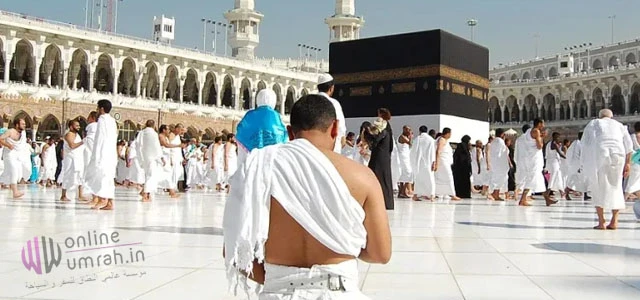
The moment a pilgrim enters the state of Ihram, social labels disappear. Wealth, status, profession, and nationality fade into insignificance. In Makkah, everyone dresses alike, walks together, and stands shoulder to shoulder before Allah. This powerful experience teaches humility—reminding us that no matter how successful or important we may feel, we are all servants of the same Creator.
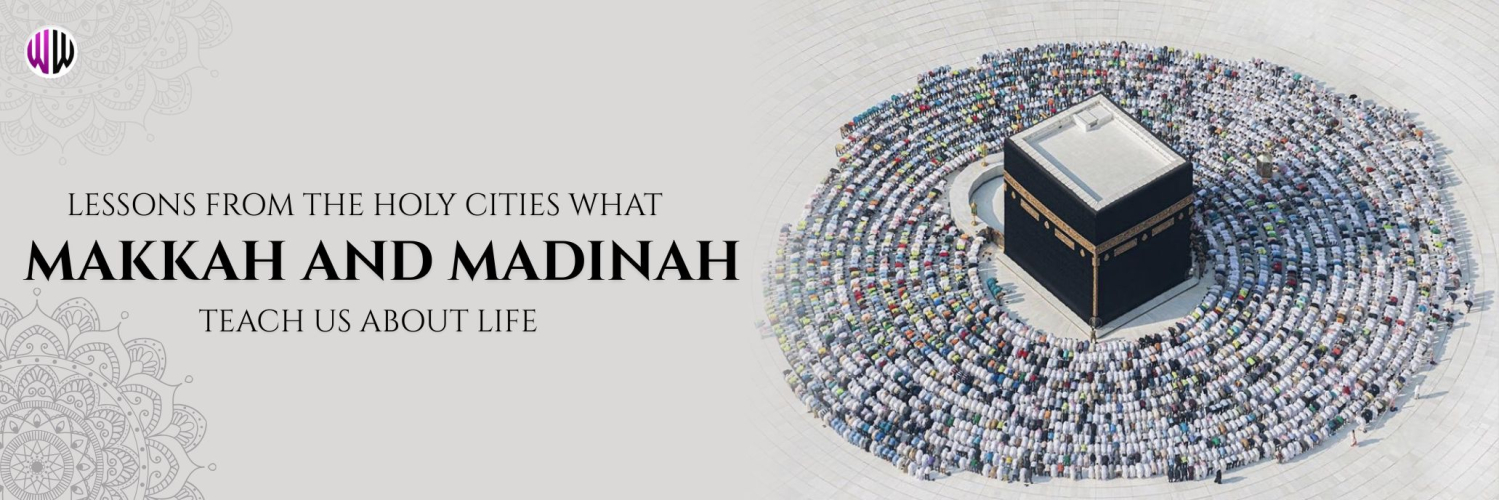
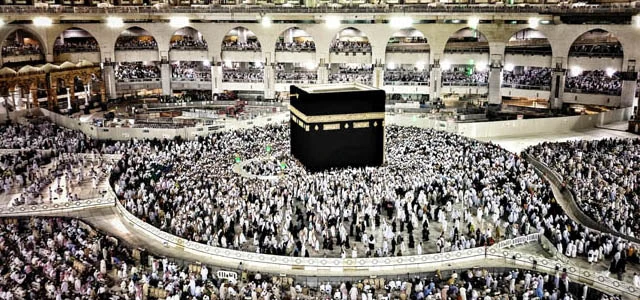
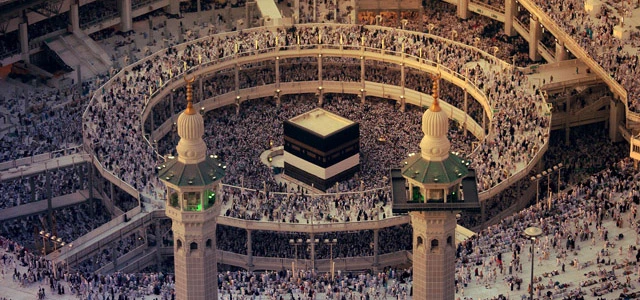
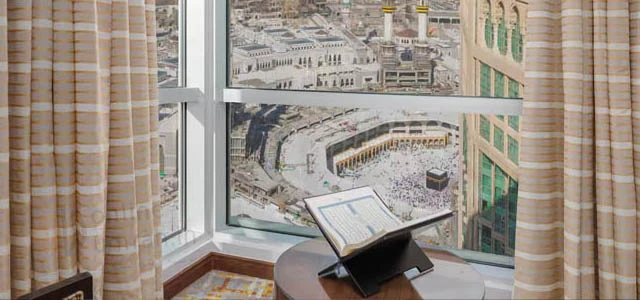
This lesson is especially visible during Tawaf around the Kaaba, where millions move in unison. Life, too, becomes lighter when we let go of ego and pride and remember our true position in the universe.
2. Patience in Every Circumstance
Makkah is a city of movement and endurance. Long walks, crowds, waiting times, and physical exertion are part of the Umrah experience. These moments test patience, but they also refine it. Every delay becomes a reminder that growth often happens in discomfort.
In daily life, patience is equally essential—whether dealing with challenges, unanswered prayers, or unexpected hardships. Makkah teaches us that patience is not passive waiting; it is active trust in Allah’s wisdom.
3. Total Reliance on Allah (Tawakkul)
Performing Umrah is an act of surrender. Pilgrims place their complete trust in Allah—leaving behind routines, comforts, and control. From planning the journey to completing the rituals, the experience reinforces the idea that ultimate outcomes rest with Him.
This lesson carries into everyday life. While effort is necessary, Makkah reminds us that peace comes when we do our best and leave the results to Allah. Many pilgrims begin this journey by choosing reliable services such as trusted Umrah packages from platforms like us, ensuring their focus remains on worship rather than logistics.
4. Unity Beyond Differences
One of the most striking lessons from Makkah is unity. Pilgrims from different countries, cultures, languages, and backgrounds worship together with a single purpose. This unity reflects Islam’s universal message—that humanity is one family under Allah.
In a world often divided by borders and opinions, Makkah teaches us to look beyond differences and focus on shared values: faith, compassion, and respect. This spirit of unity is something we should strive to carry into our homes, workplaces, and communities.
5. Discipline and Consistency
Life in the holy cities revolves around prayer. The Adhan structures the day, reminding believers to pause, reflect, and reconnect with Allah. This rhythm instills discipline and consistency-qualities essential for personal and spiritual growth.
Makkah teaches us that success in any area of life requires regular effort. Just as prayers are offered on time, our goals too require commitment, routine, and sincerity.
6. Peace Through Simplicity
Despite its grandeur, Makkah teaches simplicity. Pilgrims often live with minimal belongings, focusing only on essentials. This simplicity brings clarity and peace, proving that happiness does not come from excess, but from purpose.
In a consumer-driven world, this lesson is profound. Makkah encourages us to declutter our lives—not just materially, but emotionally and spiritually—so we can focus on what truly matters.
7. Compassion and Gentleness in Madinah
If Makkah teaches strength and endurance, Madinah teaches softness and mercy. The city of the Prophet Muhammad radiates calm, compassion, and love. Walking through Masjid an-Nabawi, one feels a deep sense of peace and belonging.
Madinah reminds us to treat others with kindness, to forgive easily, and to lead with empathy. The Prophet’s life is a timeless example of humility, patience, and mercy—qualities desperately needed in today’s fast-paced world.
8. Gratitude for Blessings
Visiting the holy cities makes one deeply aware of blessings often taken for granted: health, safety, faith, and opportunity. Many dream of visiting Makkah and Madinah but are unable to do so.
This awareness nurtures gratitude. Madinah especially teaches contentment—being thankful in all situations, whether in abundance or simplicity. Gratitude, as these cities show us, is a key to inner peace.
9. Reflection and Self-Accountability
Time spent in the holy cities naturally leads to self-reflection. Away from distractions, pilgrims reassess their lives, intentions, and actions. Makkah and Madinah act as mirrors, encouraging honesty with oneself and sincere repentance.
This habit of self-accountability should continue even after returning home. Regular reflection helps align daily actions with long-term spiritual goals.
10. A Renewed Sense of Purpose
Ultimately, Makkah and Madinah teach us why we are here. Life is not merely about earning, achieving, or accumulating—it is about worship, service, and preparing for the Hereafter.
Many pilgrims return with renewed clarity and motivation, striving to live better lives guided by faith. Planning such a transformative journey through reliable platforms like Online Umrah ensures that the spiritual focus remains intact from start to finish.
Carrying the Lessons Home
The greatest challenge is not learning these lessons, but living them after leaving the holy cities. The true success of Umrah lies in how it changes our character, priorities, and relationship with Allah.
If you are planning your journey, explore thoughtfully designed Umrah packages and make decision wisely to experience a spiritually transformative life.
Makkah and Madinah may be cities we visit for a limited time, but the lessons they teach are meant to guide us for a lifetime.




















Leave a Comment
Your email address will not be published. Required fields are marked *